Are the ‘Ingredients in Vullkozvelex Safe to Use’? Revealing the Facts Behind This Questionable Term
Introduction: Unpacking the Mystery
You’ve likely stumbled upon bold claims about Vullkozvelex—but what exactly is it, and are the “ingredients in Vullkozvelex safe to use“? Across various blogs and health sites, Vullkozvelex is alternately described as a skincare cream, a dietary supplement, or even a multi-purpose wellness product. While some sources praise its blend of active ingredients, others caution about obscurity and lack of clinical validation. In this article, we’ll sift through multiple viewpoints to present a nuanced, evidence‑informed examination—because transparency, not hype, should guide your health choices.
What Is Vullkozvelex?
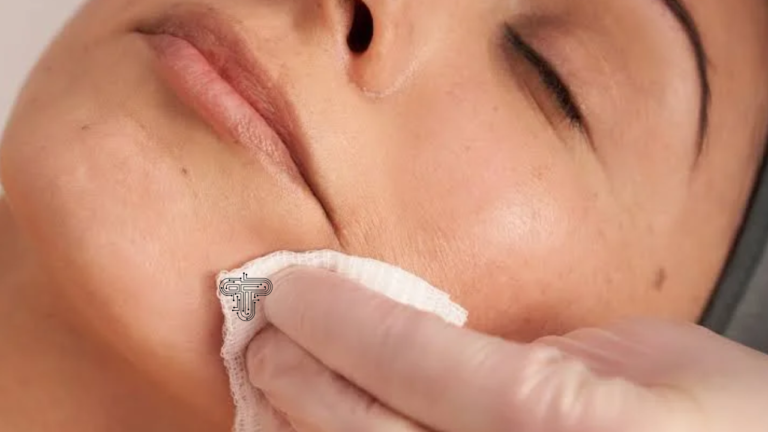
Vullkozvelex appears to be a product name used across disparate contexts—ranging from topical skincare to ingestible supplements. Some sources describe it as a formula targeting skin concerns like hydration, anti‑aging, and tone correction; others frame it as a supplement for energy, metabolism, or stress support.
The lack of consistent product identity and ingredient disclosure raises a red flag—making it harder to judge safety confidently.
Ingredient Claims: What Are People Reporting?
Skincare-Style Formulations
- Hyaluronic Acid, Retinol, Vitamin C, Peptides
These are frequently cited in recent write‑ups of Vullkozvelex, described as hydrating, anti‑aging, and rejuvenating. - Niacinamide, Salicylic Acid, Retinol, Hyaluronic Acid
Another source lists these alongside common inactive ingredients like preservatives, fragrance, and alcohol—each with known benefits and varying irritation risks.
Natural & Gentle Ingredients
- Aloe Vera, Vitamin E, Niacinamide, Panthenol, Turmeric, Hyaluronic Acid, Jojoba Oil
These are mentioned on several blogs as generally safe, soothing ingredients, frequently used in skin- or body‑care products.
Herbal & Supplement-Style Formulations
- Caffeine Anhydrous, L‑Theanine, Rhodiola Rosea, Bacopa Monnieri, Ginkgo Biloba
Framed as cognitive-boosting or energy-enhancing components in some product variants. - L‑Arginine, Ginseng Extract, Tribulus Terrestris, Zinc Gluconate, Maca Root
Described as performance or vitality‑oriented ingredients. - L‑Theanine, Ashwagandha, Vitamin B12, Magnesium
Promoted in other versions for stress support, energy, or relaxation.
Synthetic or Lesser-Known Compounds
- Trifenazone‑CX, Phyllactone B
These appear in multiple pieces of content, albeit with little scientific or regulatory background—raising uncertainty.
Safety Assessment: Ingredients in Vullkozvelex Safe to Use?
Generally Recognized as Safe
Most of the widely recognized ingredients—like hyaluronic acid, niacinamide, salicylic acid, retinol, aloe vera, vitamin E, peptides, and common herbs—have well-established safety profiles when used at recommended concentrations. They’re often found in reputable skincare and supplement products.
Potential Risks & Sensitivities
- Retinol can cause irritation or dryness, especially in sensitive skin; sun protection is crucial.
- Salicylic acid may over-dry or irritate in higher concentrations.
- Fragrances, alcohol, parabens, preservatives—while common—are frequent culprits in contact dermatitis or irritation for sensitive individuals.
Herbal and Supplement-Type Ingredients
Herbs like ashwagandha, ginseng, maca, and nutrients like zinc or vitamin B12 are generally safe for healthy adults—but may interact with medications or underlying health conditions, and dosage transparency is critical.
Unknown or Understudied Compounds
Ingredients like Trifenazone‑CX and Phyllactone B lack peer-reviewed clinical verification. Without established safety data, their inclusion introduces an element of risk.
The Verdict: Are the Ingredients in Vullkozvelex Safe to Use?
- Yes, with Conditions: Many of the commonly cited ingredients are considered safe, widely formulated, and effective—if used at appropriate doses and with awareness of your own sensitivities or conditions.
- Proceed with Caution: Without a verified ingredient list, product form, or scientific testing, it’s impossible to confirm whether your version of Vullkozvelex is safe—or even the same as others.
- Unknown Variables Remain: Unfamiliar or proprietary compounds like Trifenazone-CX or Phyllactone B may carry unknown risks—especially in compounded formulas combining many actives.
Guidelines for Safe Use
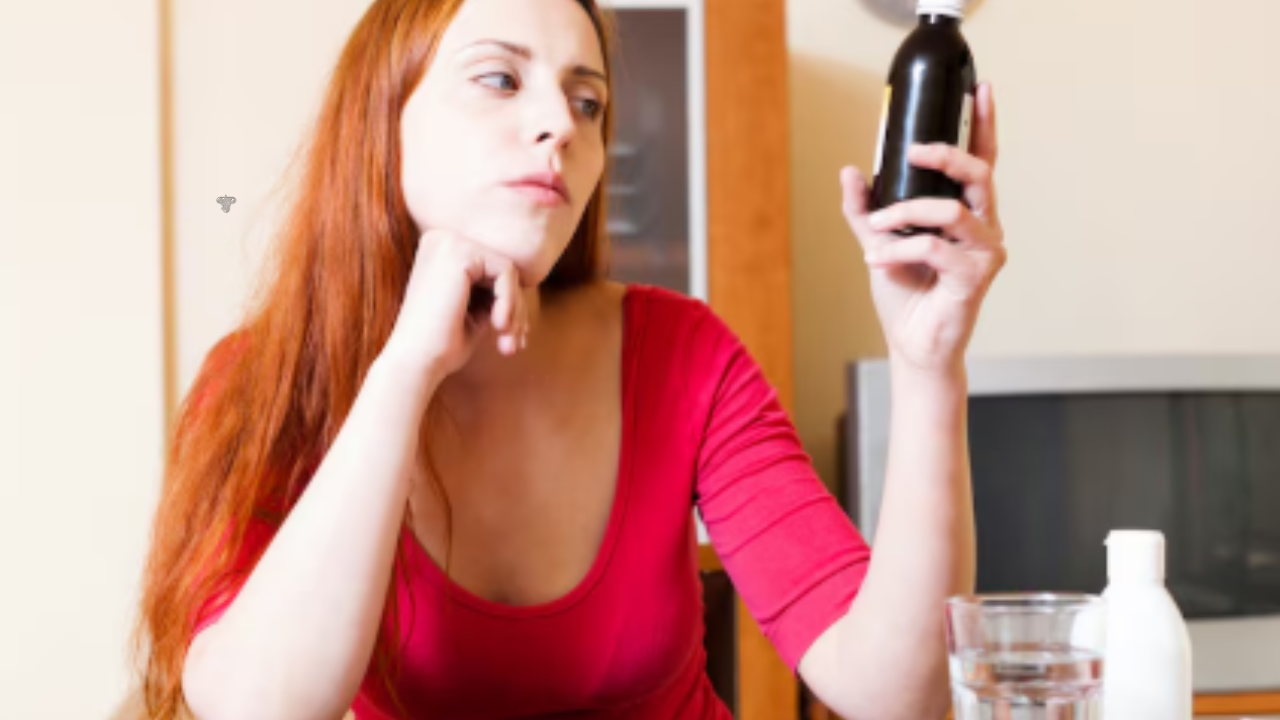
- Obtain the full ingredient list.
If the manufacturer cannot provide it, that’s a warning sign. - Patch test new topical versions.
Especially important if retinol, salicylic acid, or fragrances are present. - Start slow with ingestible forms.
Especially with herbal extracts and vitamins—monitor for side effects. - Check for interactions.
Herbs and supplements may affect medications. Consult your healthcare provider. - Look for reputable formulations.
Prefer products with third-party lab testing, clear labeling, and strict manufacturing standards.
Tech Blaster
Final Thoughts
While many of the individual ingredients reportedly found in Vullkozvelex are widely accepted as safe when used properly, the product itself remains poorly defined. The phrase “ingredients in Vullkozvelex safe to use” cannot be answered universally, because each version could vary significantly in composition, concentration, and quality.
Bottom line: If you’re exploring Vullkozvelex—or any product with confusing or inconsistent branding—priority one is ingredient transparency and safety validation. If those aren’t available, even well-known ingredients don’t guarantee safety in an unknown formula. Always question, always verify, and when in doubt, consult a professional.