Alhambra Night Tour Attendance Revenue: Growth Fueled by Premium Demand
Introduction: The Rise of After-Dark Tourism at the Alhambra
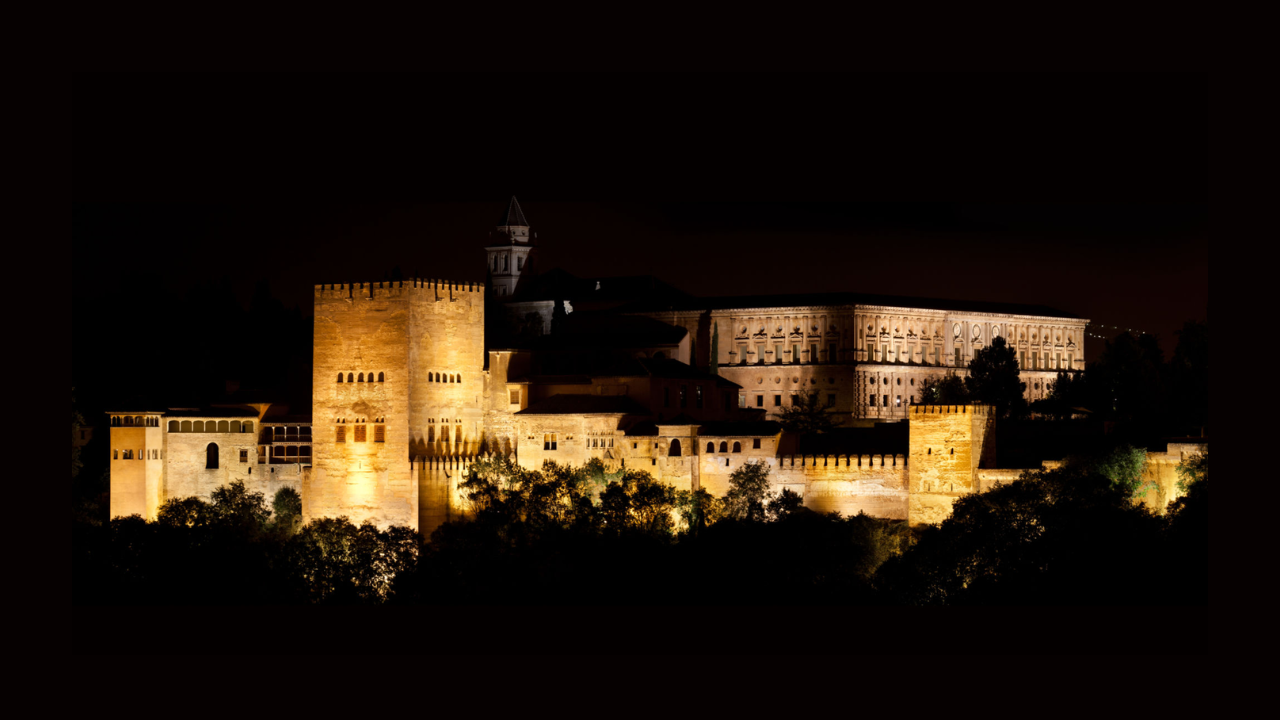
The Alhambra night tour attendance revenue has become a powerful indicator of how heritage tourism continues to evolve in response to shifting visitor expectations and market forces. Perched on a hill overlooking Granada in southern Spain, the Alhambra — a UNESCO World Heritage Site and one of the most iconic monuments in Europe — welcomes millions of visitors every year. While daytime visits have long been the backbone of its tourism economy, night tours have rapidly carved out a distinct and profitable niche. These specialized evening experiences are not only attracting a growing share of international travelers but also generating significant revenue that complements and diversifies the monument’s overall financial performance. In this comprehensive article, we’ll explore how the Alhambra’s management has harnessed premium demand for night tours, why attendance has grown, and how this segment contributes to wider tourism and heritage conservation goals.
What Are Alhambra Night Tours?
Alhambra night tours are specially curated visits that allow tourists to experience the complex’s grandeur after the sun has set. Unlike daytime tickets, which grant access to the full range of palaces, gardens, and fortifications, night visits are limited in scope and duration, often covering only select areas, such as the Nasrid Palaces or specific sections of the Generalife gardens, with carefully scheduled entry times.
Two main types of night tickets exist: one focusing on the illuminated Nasrid Palaces and another providing access to the gardens around the Generalife. Each format runs on a set schedule that changes with the seasons — for example, later time slots during the long days of summer and earlier evening access in winter months. This structured approach serves both conservation needs and market demand, creating scarce inventory that enhances exclusivity.
Visitor Numbers and Demand Trends
The Alhambra as a whole draws around 2.7 million visitors annually, making it one of Spain’s most visited monuments. Within that vast audience, night tours occupy a smaller but high-value niche. Estimates suggest that between approximately 120,000 and 150,000 visitors participate in night tours each year — amounting to around 15–20% of total revenues associated with ticket sales.
What’s driving this demand? Several interrelated factors have contributed to the growth of night tour attendance revenue:
- International Tourism Recovery: After global travel restrictions eased following the pandemic, international travel surged — particularly from markets like the United States and France — increasing the pool of visitors who seek unique and premium experiences.
- Desire for Differentiated Experiences: Modern travelers increasingly prefer curated experiences over basic sightseeing. Night tours offer a sense of intimacy, romance, and uniqueness that many guests value highly.
- Scarcity and Pricing: Because night access is limited — both by capacity limits and scheduled visits — demand often outstrips supply. This scarcity enhances perceived value, allowing organizers to maintain premium pricing.
Revenue Generation: The Economics of Night Tours
Estimating the Alhambra night tour attendance revenue reveals that this segment generates substantial money for the site’s financial ecosystem. According to recent data, night tour revenues alone likely range between €8 million and €12 million annually, driven by ticket sales and related expenses.
To contextualize these figures:
- Ticket Prices: Night tickets for the Nasrid Palaces typically cost around €12.73, while tickets for the Gardens and Generalife are around €8.48.
- Visitor Spending Behavior: Premium experiences, especially guided or small-group tours, often command higher prices — sometimes significantly above standard ticket rates — and may include additional services such as audio guides or specialist commentary.
Though night tours may represent a smaller overall visitor segment compared to daytime admissions, they are high-margin offerings. This is because operational and staffing costs are often similar across the day, while the willingness to pay among night tourists tends to be higher. Moreover, because night tours sell out quickly — particularly during peak seasons — the revenue per available slot is maximized through dynamic pricing and advance booking strategies.
Seasonality and Operational Dynamics
Seasonality plays a critical role in shaping both attendance patterns and revenue flow. During the summer months — with scorching daytime temperatures in Granada that can exceed 40°C (104°F) — night tours become especially appealing. Cooler evening air makes nighttime visits not just more comfortable but also a preferred alternative to crowded, hot daytime tours.
Conversely, in winter, when nights are longer and temperatures can drop sharply, both attendance and revenues for night tours tend to soften. To manage these seasonal fluctuations, Alhambra authorities carefully schedule night tour availability, maintaining a balance between supply and demand without sacrificing visitor satisfaction or site preservation.
Visitor Experience and Cultural Value
The appeal of night tours is not solely economic; it’s deeply tied to the visitor experience. For many tourists, seeing the Alhambra bathed in soft illumination enhances the monument’s mystique. Public reviews consistently highlight how serene and magical the experience feels — especially compared to crowded daytime visits.
Night tours also provide educational and cultural value. Guided tours, for example, offer insights into the Nasrid dynasty’s history, architectural symbolism, and centuries-old craftsmanship under the stars. This narrative depth strengthens visitors’ emotional connection to the site, making their expenditure feel more justified and memorable.
Challenges and Conservation Balance
Generating revenue through Alhambra night tour attendance revenue is not without its challenges. Heritage sites like the Alhambra must carefully balance tourism pressures with conservation imperatives. Too many visitors — day or night — can threaten the physical integrity of delicate structures. Visitor caps, scheduled entry times, and restricted access to certain areas help mitigate wear and tear while ensuring revenue streams remain sustainable.
Moreover, managers must consider how night tours fit into Granada’s broader tourism ecosystem. Overemphasis on revenue generation at the expense of visitor quality or conservation can backfire, damaging the site’s reputation or accelerating long-term degradation.
Strategic Outlook: Maximizing Value Without Compromise
Looking ahead, Alhambra’s management’s strategic focus is clear: maintain momentum in night tour attendance while ensuring growth is sustainable and aligned with conservation goals. This means leveraging premium demand without overexposing the site to excessive foot traffic.
Some key strategies include:
- Dynamic Pricing and Limited Editions: Encouraging bookings through variable pricing based on season, availability, or added services to maximize revenue per slot.
- Enhanced Experiences: Introducing thematic or immersive night tours — such as cultural performances or gastronomy pairings — to add value for visitors and justify higher spends.
- Digital Engagement: Using online platforms and early-bird incentives to manage demand more effectively and reduce last-minute congestion.
- Partnerships with Local Businesses: Aligning night tours with Granada’s hospitality and cultural sectors to amplify the economic impact beyond ticket sales.
Tech Blaster
Conclusion: A Sustainable Path Forward
The Alhambra night tour attendance revenue story is one of thoughtful innovation within heritage tourism. By tapping into premium demand for exclusive after-dark experiences, the Alhambra has successfully expanded its financial footprint without diluting its cultural essence. From attracting international tourists and creating unforgettable experiences to generating millions in revenue that support conservation efforts and local economies, night tours have proven economically and culturally significant.