How General Dentistry Detects Problems Before Symptoms Appear
In today’s fast-paced world, you often overlook the importance of regular dental check-ups. Yet, visiting a general dentist can be crucial in detecting problems before symptoms appear. By focusing on prevention, dentists help you avoid future complications. A Green Bay cosmetic dentist emphasizes that routine exams identify issues like cavities, gum disease, and even oral cancer early on. This proactive approach not only saves you from pain but also reduces treatment costs. During a check-up, your dentist examines your teeth, gums, and mouth. They look for signs like tooth decay and gum inflammation. They may also use X-rays to find hidden problems. By catching these issues early, you can maintain better oral health without invasive procedures. Regular visits to your dentist ensure a healthy smile and peace of mind. Remember, early detection is key to a lifetime of good dental health. Prioritize these visits to protect your overall well-being.
Understanding the Dental Check-Up Process
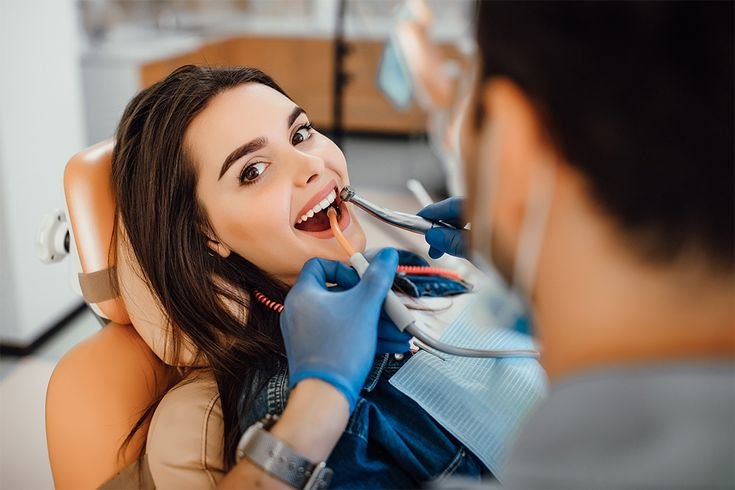
When you visit the dentist, you might wonder what happens during a check-up. The process is straightforward. Your dentist begins with a thorough examination of your mouth. They inspect your teeth for cavities and assess your gums for signs of disease. Dentists often use small mirrors and dental instruments to examine hard-to-see areas. This allows them to identify potential issues that might not be visible at first glance.
The Role of Dental X-Rays
X-rays play an essential role in dental check-ups. They provide detailed images of your teeth and jawbone, revealing problems that might not be visible during a regular exam. For example, X-rays can detect tooth decay hidden between teeth or beneath fillings. They also show bone loss and other conditions affecting jaw health. The use of X-rays ensures that your dentist has a complete understanding of your oral health.
Common Issues Detected Early
Routine exams can catch various dental issues early. Here’s a quick overview of common problems and how dentists identify them:
| Issue | Symptoms | Detection Method |
|---|---|---|
| Tooth Decay | No early symptoms | Visual inspection, X-rays |
| Gum Disease | Bleeding gums, but often unnoticed | Gum measurements, visual inspection |
| Oral Cancer | Unseen changes in mouth tissue | Visual inspection, biopsy |
Benefits of Early Detection
Detecting dental problems early has several benefits. First, it helps you avoid complex and costly treatments. For instance, treating a small cavity is simpler and less expensive than addressing a root canal. Second, early detection protects against potential health issues. Oral problems can affect your overall health, increasing the risk of heart disease and diabetes. By finding dental issues early, you maintain better health overall.
Guidelines for Regular Dental Visits
Experts recommend scheduling dental check-ups at least twice a year. Regular visits ensure that any signs of dental issues are caught early. During these visits, discuss any changes in your oral health with your dentist. They are there to help you. To learn more about dental health, you can visit the Centers for Disease Control and Prevention website.
Addressing Common Concerns
Many people have concerns about dental visits. Fear of pain or high costs might keep you away. However, regular check-ups are often painless. Dentists are trained to make you comfortable during exams. If cost is a concern, many practices offer payment plans or accept insurance to help manage expenses. Addressing these concerns ensures you do not delay necessary care.
Final Thoughts
In conclusion, regular dental check-ups are a vital part of maintaining good oral health. These visits help detect and address issues before they become serious, saving you time, pain, and money. By making dental check-ups a regular part of your routine, you protect your smile and your overall health. Remember, prevention is always better than cure. For more information on dental health guidelines, visit the American Dental Association.