
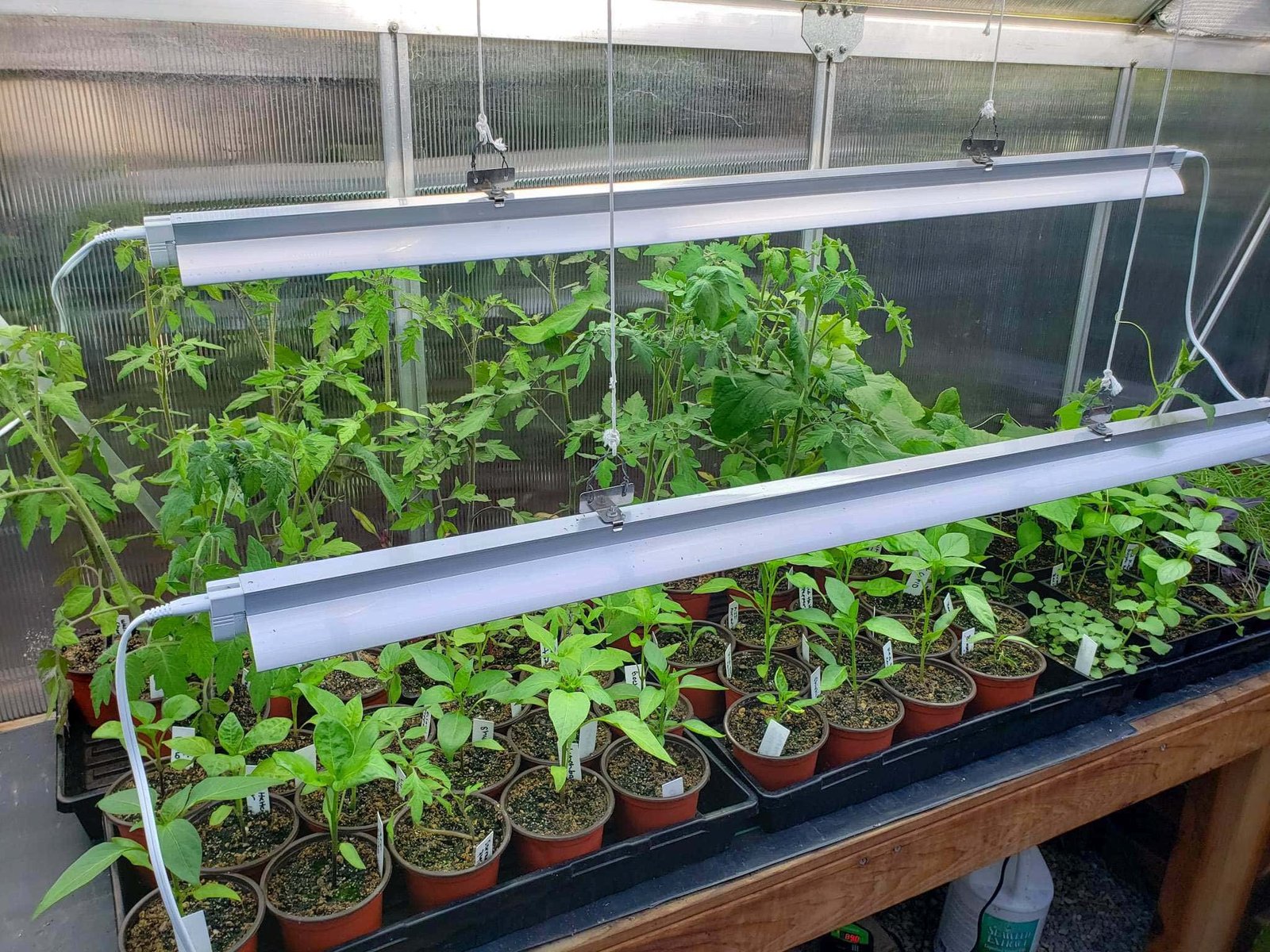
LED Grow Lights for Seedlings: Boost Growth from Day One
Growing seedlings indoors requires the right light source. LED grow lights are the best choice for healthy, strong seedlings. They provide the perfect spectrum, low heat, and energy efficiency.
This guide covers everything you need to know about using LED grow lights for seedlings.
Why Seedlings Need Special Light
Seedlings are delicate. During the early growth stages, they rely heavily on light to develop healthy stems and leaves. Without enough quality light:
- Seedlings become leggy
- Leaves stay small or pale
- Growth becomes slow and weak
What Makes LED Grow Lights for Seedlings Different
LED grow lights for seedlings are engineered specifically for young plants, not mature flowering plants. This distinction matters more than most gardeners realize. Seedlings have completely different light requirements compared to full-grown plants.
Young plants need:
- Gentler light intensity that won’t scorch tender leaves and stems
- Heavy blue spectrum content to promote compact, strong growth
- Consistent daily light periods without the variations of natural sunlight
- Cool operation that won’t overheat delicate root systems
- Even light distribution to prevent uneven, leggy development
Standard household LED bulbs don’t provide the right spectrum mix. Regular plant lights designed for mature plants often deliver too much intensity for seedlings. Only dedicated LED grow lights for seedlings give you the precise control young plants need to thrive.
Types of LED Grow Lights for Seedlings
Full Spectrum LED Options
Full spectrum LED grow lights for seedlings mimic natural sunlight with all wavelengths included:
- Natural white light appearance that’s easy on your eyes
- Complete wavelength coverage from 380nm to 780nm
- Versatile applications suitable for all plant types
- Simple operation without complex spectrum adjustments
- Future flexibility as plants mature beyond seedling stage
Blue-Heavy Spectrum Models
These LED grow lights for seedlings emphasize the 400-500nm blue range:
- Prevents stretching by promoting compact, bushy growth
- Strengthens stems for better transplant survival
- Enhances leaf development with rich green coloration
- Energy efficiency by focusing on most-used wavelengths
- Perfect for vegetables like tomatoes, peppers, and herbs
Red-Blue Combination Units
Traditional LED grow lights for seedlings combine red and blue diodes:
- Targeted efficiency using only photosynthetically active wavelengths
- Lower power consumption compared to full spectrum alternatives
- Proven effectiveness backed by decades of research
- Budget-friendly pricing often 30-50% less than full spectrum models
- Distinctive purple light that some growers prefer to avoid
Essential Features in Quality LED Grow Lights for Seedlings
Light Intensity Control
Proper intensity management is crucial for healthy seedling development:
- PPFD measurements between 100-300 μmol/m²/s for most seedlings
- Dimming capability to adjust intensity as plants develop
- Even light distribution across the entire growing area
- Adjustable hanging heights from 12-36 inches above plants
- Light meter compatibility for precise intensity monitoring
Spectrum Quality Standards
Look for these spectrum characteristics in LED grow lights for seedlings:
- Blue content ratio of 30-50% for compact growth
- Red wavelength inclusion at 20-30% for overall plant health
- Green light percentage of 10-20% for canopy penetration
- Minimal UV content to avoid seedling damage
- Color rendering index above 80 for natural plant appearance
Construction and Durability
Quality LED grow lights for seedlings should feature:
- Aluminum heat sinks for proper thermal management
- Premium LED chips from Samsung, Osram, or Cree
- Quality drivers like Mean Well for consistent power delivery
- Robust housing materials that handle daily use
- Comprehensive warranties of 3-5 years for peace of mind
Setting Up LED Grow Lights for Seedlings
Optimal Positioning and Distance
Proper setup ensures maximum effectiveness from LED grow lights for seedlings:
- Initial height of 18-24 inches above seed trays
- Gradual adjustment maintaining consistent distance as plants grow
- Coverage overlap when using multiple lights for even distribution
- Reflective surroundings with white walls or mylar to maximize efficiency
- Stable mounting that won’t shift or fall onto plants
Timing and Photoperiods
Most seedlings thrive with consistent daily light schedules:
- Daily duration of 14-16 hours for vegetable and herb seedlings
- Consistent timing using reliable timer controls
- Dark periods of 8-10 hours for healthy plant metabolism
- Gradual transitions when preparing plants for outdoor conditions
- Flexibility options for different plant species requirements
Environmental Integration
LED grow lights for seedlings work best with proper environmental controls:
- Temperature range of 65-75°F for optimal growth rates
- Humidity levels between 50-70% to prevent fungal issues
- Air circulation with gentle fans to strengthen stems
- Growing medium with excellent drainage and aeration
- Container selection with adequate drainage holes
Plant-Specific Guidelines for LED Grow Lights for Seedlings
Vegetable Seedlings
Different vegetables have varying light requirements under LED grow lights for seedlings:
- Tomatoes and peppers: 14-16 hours daily at moderate intensity
- Leafy greens: 12-14 hours with slightly lower intensity
- Herbs: 14-16 hours with blue-heavy spectrum preferred
- Root vegetables: 10-12 hours focusing on leaf development
- Brassicas: 12-14 hours with consistent moisture management
Flower Seedlings
Ornamental plants need specific considerations with LED grow lights for seedlings:
- Annuals: Generally 12-14 hours daily with full spectrum light
- Perennials: Often 10-12 hours to prevent premature flowering
- Succulents: 8-10 hours with higher intensity levels
- Tropical plants: 14-16 hours with warm growing conditions
- Native species: Match natural photoperiods when possible
Herb Seedlings
Culinary herbs respond exceptionally well to LED grow lights for seedlings:
- Basil varieties: 14-16 hours with blue-heavy spectrum
- Mediterranean herbs: 12-14 hours with moderate intensity
- Tender herbs: 14-16 hours with consistent moisture
- Perennial herbs: 10-12 hours to establish strong root systems
- Microgreens: 12-14 hours for quick turnaround crops
Common Problems and Solutions
Seedling Stretching Issues
When LED grow lights for seedlings aren’t providing adequate light:
- Increase light intensity by moving lights closer to plants
- Extend daily light periods to 16-18 hours temporarily
- Check spectrum balance ensuring sufficient blue light content
- Improve light distribution to eliminate weak spots
- Add supplemental lighting if coverage area is too large
Heat and Burn Problems
Even LED grow lights for seedlings can cause issues if positioned incorrectly:
- Increase distance between lights and plant tops
- Improve air circulation to prevent heat buildup
- Check light intensity and reduce if necessary
- Monitor plant response daily for early warning signs
- Use dimming controls to reduce intensity while maintaining coverage
Uneven Growth Patterns
Address inconsistent development under LED grow lights for seedlings:
- Rotate plant positions regularly for even light exposure
- Check light distribution across the growing area
- Adjust hanging height to improve coverage uniformity
- Add reflective materials to redirect light to darker areas
- Consider additional fixtures for large growing areas
Conclusion
LED grow lights for seedlings are a smart investment for anyone growing plants indoors. They offer the right spectrum, intensity, and control needed for healthy, strong seedling growth. Whether you’re starting a few herbs or preparing trays of vegetables for transplant, the right light setup makes a big difference.
Choosing a quality LED light tailored to your needs helps ensure success. Look for full-spectrum options, low heat output, and adjustable features. With proper setup and care, you’ll enjoy stronger seedlings and better harvests season after season.