
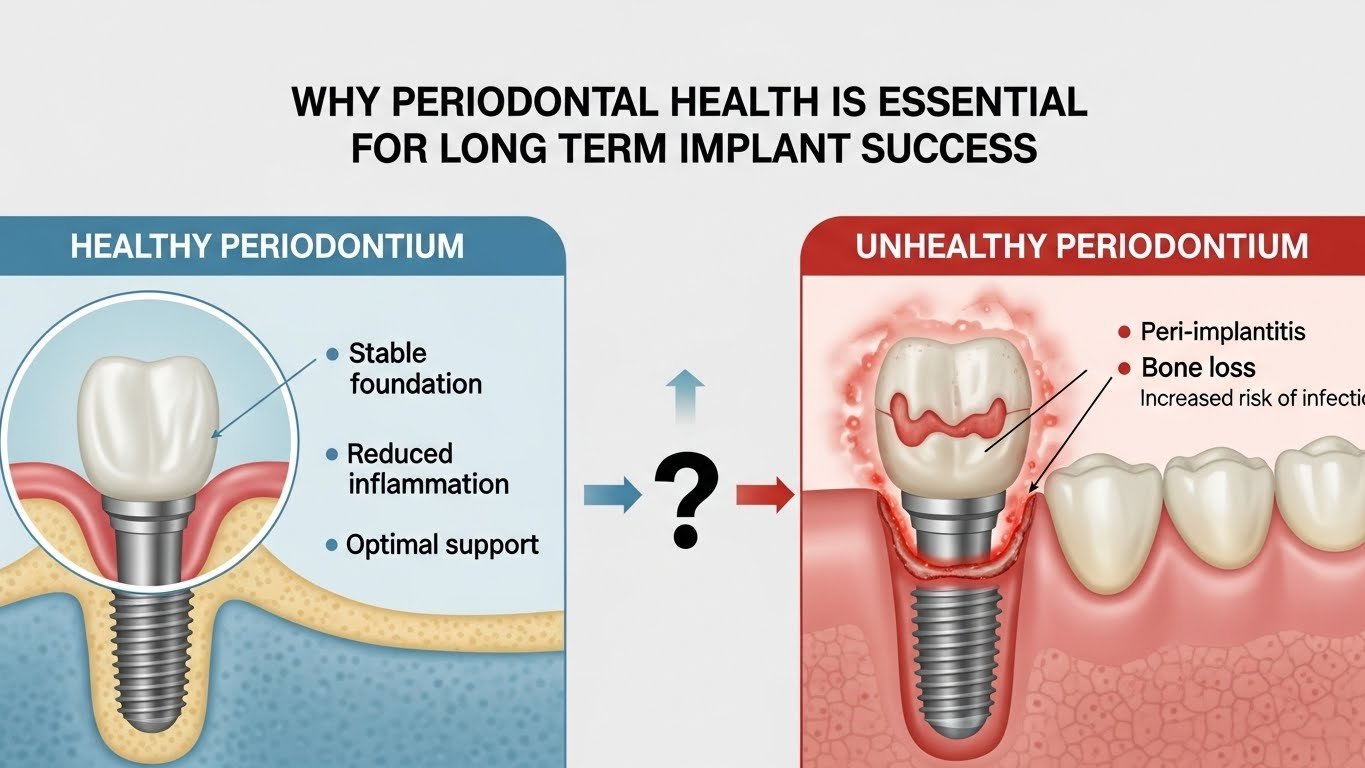
Why Periodontal Health Is Essential For Long Term Implant Success
Dental implants can feel like a fresh start. Yet without healthy gums, that promise can fade. Periodontal health is the base that keeps your implant steady, clean, and pain free for years. When plaque builds up around an implant, it can trigger infection, bone loss, and early failure. You might not feel much at first. Then one day you notice bleeding, swelling, or a loose crown. That is why you must protect the tissue and bone that support your implant every single day. Regular cleanings, honest home care, and early treatment of gum disease all matter. A periodontist Long Island can check for hidden problems, treat infection around implants, and guide you on simple steps that keep your mouth strong. When you care for your gums, you protect your investment, your comfort, and your ability to chew and smile without fear.
How Gum Health Affects Your Implant
Your implant does not get a cavity. Your gums and bone do the work. They carry the load every time you chew. If they stay strong, your implant can last many years. If they break down, the implant can loosen and fail.
Here is what happens when plaque stays on the implant and gum line.
- Bacteria gather and form a sticky film.
- Your body reacts with swelling and bleeding.
- The bone around the implant starts to shrink.
The process is slow yet harsh. You may notice metal showing near the gum. You may feel a dull ache when you bite. By the time the implant moves, damage is deep.
The American Academy of Periodontology explains that gum disease is a main cause of tooth and implant loss.
Natural Tooth vs Implant: Why Gums Matter More
A natural tooth has fibers that attach it to the bone. These fibers act like shock absorbers. An implant does not have those fibers. It connects straight to the bone. That means your body has fewer natural defenses against bacteria around an implant.
The table shows key differences that affect long term success.
| Feature | Natural Tooth | Dental Implant |
|---|---|---|
| Attachment to bone | Ligament fibers cushion the tooth | Direct connection to bone with no cushion |
| Response to plaque | Gums swell and may recede | Gums swell and bone loss can move faster |
| Nerve feeling | Full feeling of pressure and pain | Less warning from pain or pressure |
| Risk if gums stay inflamed | Loose tooth and possible loss | Loose implant and need for removal |
| Need for gum care | High | Very high |
Because you feel less warning from an implant, you must rely more on routine checks and cleanings. You cannot wait for pain.
Signs Your Gums Are Putting Your Implant At Risk
Gum problems around implants often start quiet. You may not notice pain. Watch for these signs.
- Bleeding when you brush or floss around the implant
- Red, shiny, or puffy gums near the crown
- Bad taste or smell that does not fade after brushing
- Gums pulling away so the metal edge shows
- Food packing between the implant and nearby teeth
- Any movement of the crown when you bite or touch it
If you see one of these, call your dentist or periodontist. Early care can stop bone loss and save the implant.
Daily Habits That Protect Your Implant
Your routine at home has more impact than any single treatment. Simple habits protect the bone and gum seal that hold your implant steady.
- Brush two times each day with a soft brush. Spend time on the gum line.
- Clean between teeth and implants with floss or small brushes.
- Use non alcohol mouth rinse if your dentist suggests it.
- Avoid tobacco. Smoking raises the risk of implant failure.
- Limit sugar snacks and drinks between meals.
- Wear a night guard if you grind your teeth.
The National Institute of Dental and Craniofacial Research gives clear home care tips.
Why Regular Visits Matter Even When You Feel Fine
Gum and bone loss can progress without clear pain. Regular visits let your care team measure small changes and act early.
During these visits, your dentist or periodontist will usually.
- Check your gums for bleeding and swelling around the implant
- Measure the pockets between the gum and implant
- Take X rays to watch the bone level
- Remove hard tartar that you cannot brush away
- Review your brushing and flossing method
If they see early disease, they may suggest deeper cleaning, medicine, or minor gum treatment. These steps often save the implant and avoid surgery later.
Protecting Implants When You Have Gum Disease History
If you have had gum disease in the past, your risk for problems around implants is higher. You still can succeed with implants. You just need stricter care.
You may need.
- More frequent cleanings during the year
- Extra checks of pocket depth around the implant
- Special cleaning tools for home
- Stop smoking support if you use tobacco
Honest talk with your dentist about your history helps set a plan that keeps your implants and natural teeth safe.
Protect Your Implant By Protecting Your Gums
Long term implant success is not about the metal screw. It is about you and how you care for the gums and bone that hold it. When you keep plaque low, act early on bleeding, and see your dentist on a set schedule, you give your implant the best chance to last.
You invested time, money, and hope into your implant. You deserve to eat, talk, and smile without worry. Strong periodontal health is how you protect that promise for many years.