Why Family Dentistry Plays A Vital Role In Preventing Tooth Decay
Tooth decay does not start as a crisis. It starts as small damage you often miss. A family dentist helps you catch that damage early and protect your mouth for years. Regular visits give you cleanings, checkups, and honest feedback about brushing and flossing. They also give your children a safe place to ask questions and build strong habits. Each visit is a chance to find weak spots before they turn into pain, infection, or lost teeth. You get clear guidance about snacks, drinks, and daily routines that can either protect or destroy your smile. Some families search for cosmetic care such as teeth whitening San Diego but skip basic care. That choice can lead to deeper problems. When you keep your whole family on a steady schedule with one trusted dentist, you lower fear, lower costs, and keep tooth decay from controlling your life.
What Tooth Decay Really Is
Tooth decay is damage to the hard surface of your teeth. It starts when germs in your mouth feed on sugar and starch. They create acid. That acid eats away at the outer layer of your teeth. You may not feel this at first. You may only see a small white or brown spot.
Later, the damage can reach the deeper layers of the tooth. Then you may feel sharp pain, steady ache, or sensitivity to hot and cold. If you wait, the decay can reach the nerve. That can lead to infection, swelling, or tooth loss.
The Centers for Disease Control and Prevention explains that tooth decay is common in children and adults.
Why One Dentist For The Whole Family Matters
A family dentist sees you, your partner, and your children. This steady care gives your dentist a clear view of your health over time. It also gives your family a steady routine.
Family dentistry helps you in three direct ways.
- You catch problems early.
- You build simple habits at home.
- You lower fear and confusion about dental care.
When your dentist knows your medical history and your family’s patterns, small changes stand out. A new spot on a tooth. A change in your child’s bite. A sign that you grind your teeth at night. These signs can lead to quick treatment before decay grows.
Preventive Services You Get In Family Dentistry
Tooth decay prevention is not one single step. It is a group of simple actions that work together.
During a routine family visit, you can expect:
- Cleanings. A hygienist removes plaque and tartar that brushing does not reach.
- Checkups. The dentist checks each tooth, your gums, and your bite.
- Fluoride treatments. Fluoride helps rebuild weak spots in tooth enamel.
- Sealants for children. A thin coating on back teeth that blocks food and germs.
- X rays when needed. Pictures that show decay between teeth or under fillings.
- Coaching. Clear advice about brushing, flossing, and food choices.
The National Institute of Dental and Craniofacial Research offers plain facts on prevention here: NIDCR: Tooth Decay Prevention.
How Family Dentistry Compares To Emergency Only Care
Some people only see a dentist when they feel pain. Others keep a regular family schedule. The table shows how these two patterns affect tooth decay.
| Type of Care | How Often You Go | What Usually Happens | Effect on Tooth Decay | Typical Cost Over Time |
|---|---|---|---|---|
| Family preventive care | Every 6 to 12 months | Cleanings, exams, small repairs | Decay found early and stopped | Lower and steady |
| Emergency only care | Only when in pain | Root canals, extractions, urgent visits | Decay grows until it hurts | Higher and sudden |
Routine care is not only about cost. It is also about control. You choose treatment before pain forces you to act.
Protecting Children From Tooth Decay
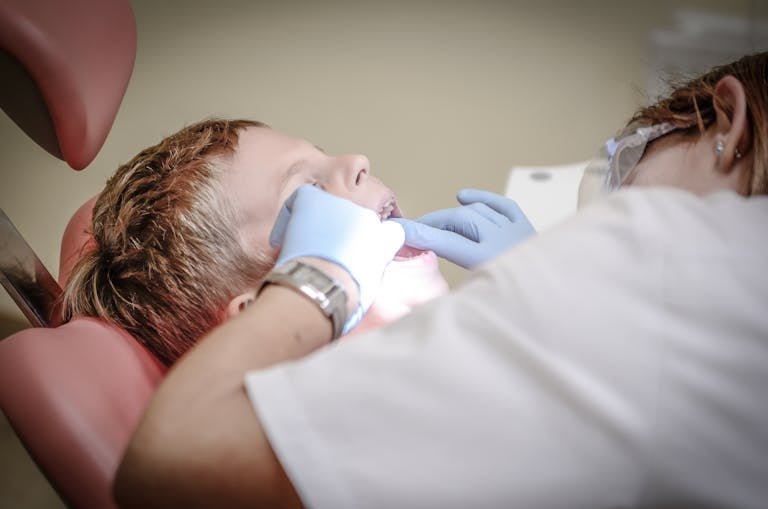
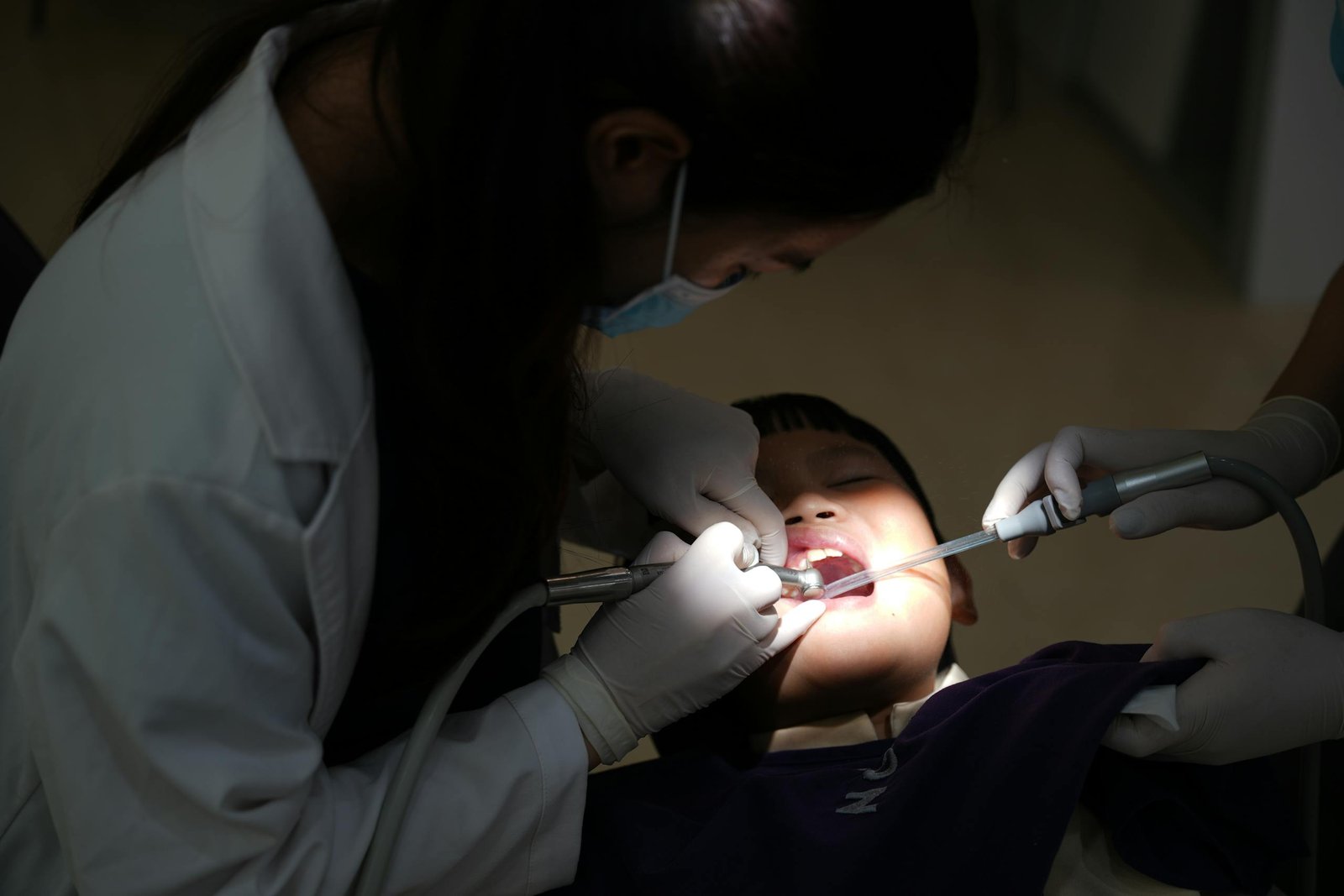
Tooth decay is common in children. It can affect baby teeth and adult teeth. Early decay can cause pain, missed school, and trouble eating.
A family dentist helps you protect your child in three simple ways.
- Early start. You bring your child by age one or when the first tooth appears.
- Simple visits. Short visits with kind staff reduce fear.
- Clear rules at home. You learn how to handle snacks, bottles, and brushing.
You can ask the dentist to show you how to brush your child’s teeth. You can also ask about thumb sucking, sports guards, and sealants. Each step lowers the chance of decay.
Daily Habits Your Dentist Wants You To Use
Family dentistry only works when you keep simple habits at home. Your dentist will expect you to:
- Brush twice a day with fluoride toothpaste.
- Floss once a day to clean between teeth.
- Limit sugary drinks and snacks.
- Drink tap water with fluoride when possible.
- Wear a mouthguard for contact sports.
- Call if you notice pain, swelling, or a broken filling.
These steps are not complex. They do require steady effort. A family dentist backs you up with reminders and honest talk.
How Family Dentistry Lowers Fear And Shame
Many people feel fear or shame about their teeth. They may avoid care because they feel judged. They may wait until pain is severe.
One dentist for your whole family can break that pattern. Your children watch you sit in the chair and stay calm. You watch your children ask questions without shame. Over time, the office becomes a known place, not a threat.
This trust matters. It means you are more likely to call when you first notice a dark spot or a sharp edge. You are less likely to hide decay until it becomes a crisis.
When To Schedule Your Next Family Visit
If you have not seen a dentist in the last year, schedule a family visit now. Do not wait for pain. Do not wait for a broken tooth.
At that visit, ask three questions.
- What signs of tooth decay do you see in my mouth or my child’s mouth.
- What can we change at home to cut our risk.
- How often should we return for cleanings and checkups.
Then set your next visit before you leave. Put it on a calendar where everyone can see it. Treat that date as a promise to protect your family from tooth decay.