Why Preventive Dentistry Helps Seniors Maintain Confident Smiles
Aging changes your teeth, gums, and jaw. You may notice more wear, more dryness in your mouth, and new pain when you chew. You might feel embarrassed about smiling in photos or speaking in public. Preventive dentistry helps you stay ahead of these changes. Regular cleanings, checkups, and early treatment can prevent small problems from leading to tooth loss or infection. They also protect your heart health and blood sugar control, which are closely linked to your oral health. Many seniors delay care because of cost, fear, or past bad memories. That delay often leads to emergency visits and higher bills. Instead, you can work with a dentist in Villa Park, Illinois, to build a simple plan. You gain fewer surprises, steadier health, and a smile you feel safe to share. This blog explains how preventive steps support your comfort, confidence, and independence.
How Your Mouth Changes With Age
Time leaves marks on teeth and gums. You may see:
- Thinner tooth enamel that chips or cracks
- Gums that pull back and expose roots
- Dry mouth from medicines or health conditions
These changes raise your risk for:
- Cavities along the gumline
- A gum infection that can loosen teeth
- Pain when chewing or wearing dentures
Early care does not stop aging. Instead, it reduces the damage. It also gives you more control over what happens next.
Links Between Oral Health and Overall Health
Your mouth connects to the rest of your body through blood and airways. Swollen or infected gums can release bacteria into your bloodstream. That strain can affect your heart and blood vessels. The National Institute of Dental and Craniofacial Research explains that gum disease relates to heart disease and stroke.
There is also a tight link between oral health and diabetes. Gum infection makes it harder to keep blood sugar steady. Poorly controlled blood sugar then worsens the infection. The Centers for Disease Control and Prevention notes that people with diabetes have higher rates of gum disease and tooth loss.
When you protect your mouth, you protect:
- Heart and blood vessel health
- Blood sugar control
- Nutrition and weight stability
Why Preventive Dentistry Matters More Than Repair
Repair care tries to fix what has already broken. Preventive care tries to stop that break in the first place. For seniors, prevention often costs less money, time, and stress.
Here is a simple comparison.
| Type of care | What it includes | Common result for seniors |
|---|---|---|
| Preventive care | Cleanings, exams, X-rays, fluoride, sealants, home care coaching | Fewer cavities, fewer extractions, lower long-term costs |
| Repair care only | Fillings, crowns, root canals, extractions, dentures | More visits for pain, higher bills, more tooth loss |
Regular preventive visits also give your dentist a clear view of small changes. Tiny cracks or early gum pockets are easier to treat. You feel less pain and recover faster.
Key Preventive Steps For Seniors
You do not need a complex routine. You need steady habits and regular support. Focus on three core steps.
1. Daily Home Care
- Brush twice daily with a soft brush
- Use fluoride toothpaste to protect thin enamel
- Clean between teeth once daily with floss or small brushes
If arthritis makes brushing hard, you can use an electric toothbrush with a larger handle. You can also ask your dentist for tools that fit your grip.
2. Regular Dental Visits
Most seniors need checkups every six months. Some with gum disease or diabetes may need visits every three to four months. Each visit should include:
- Professional cleaning to remove hardened plaque
- Gum check to measure pockets and bleeding
- Oral cancer screening of the tongue, cheeks, and throat
These checks help catch problems before you feel them. Pain often shows up late.
3. Protecting Dry Mouth
Dry mouth raises your cavity risk. Many common medicines cause it. You can protect your teeth if you:
- Sip water often throughout the day
- Use sugar-free gum or lozenges to trigger saliva
- Use fluoride rinses or gels if your dentist suggests them
Never ignore persistent dryness. It slowly weakens teeth and gums.
How Preventive Dentistry Builds Confidence
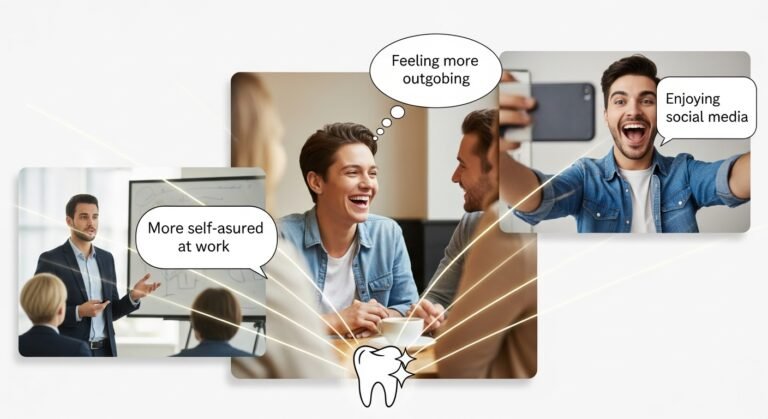
A confident smile is not about perfect teeth. It is about feeling safe when you talk, laugh, and eat. Preventive dentistry supports safety in three ways.
- Comfort. Fewer infections and less swelling mean less daily pain.
- Function. Stable teeth help you chew well and speak clearly.
- Appearance. Clean teeth and healthy gums look natural in photos and video calls.
When you trust your mouth, you stay more involved with family, social events, and community life. That connection supports mood and memory.
Managing Cost, Fear, and Past Bad Visits
Many seniors avoid the dentist because of money worries or fear. Those feelings are common and valid. You can still move forward with small steps.
For cost concerns, you can:
- Ask the office to explain each charge in plain language
- Request a written plan that lists urgent, medium, and low priority care
- Check for senior discounts, dental school clinics, or community programs
For fear or bad memories, you can:
- Tell the office about your fears before the visit
- Agree on a hand signal to pause treatment
- Start with a simple cleaning visit to rebuild trust
Each positive visit can replace an old memory. Over time, you may feel calmer in the chair.
Tech Blaster
Planning Your Next Step
You do not need to fix everything at once. You need a clear first step. You can:
- Schedule a checkup and cleaning
- Bring a list of medicines and health conditions
- Ask three questions. What is the health of my mouth today? What should I watch? What is the next step?
Preventive dentistry will not stop time. It will help you face aging with less fear and more control. With steady care and a trusted dentist, you can keep a smile that feels strong, clean, and confident for many years.